9 hr
Wasini Island Dhow Cruise & Kisite Marine Park Snorkel
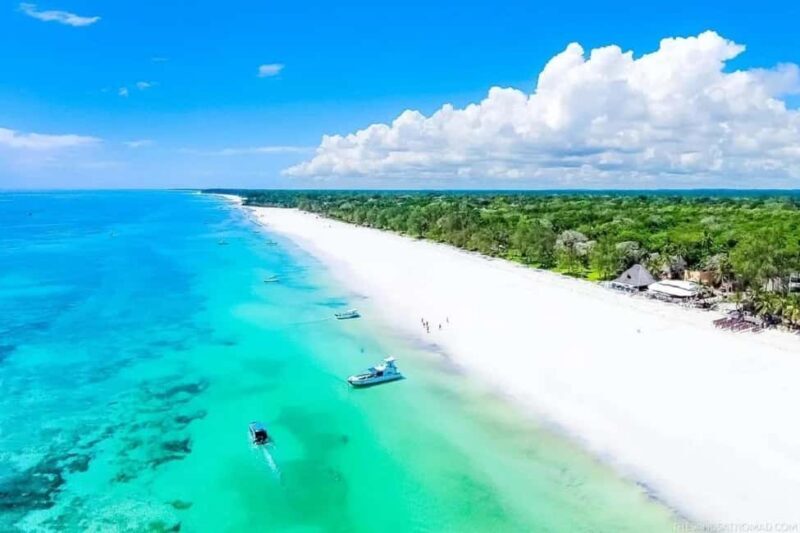
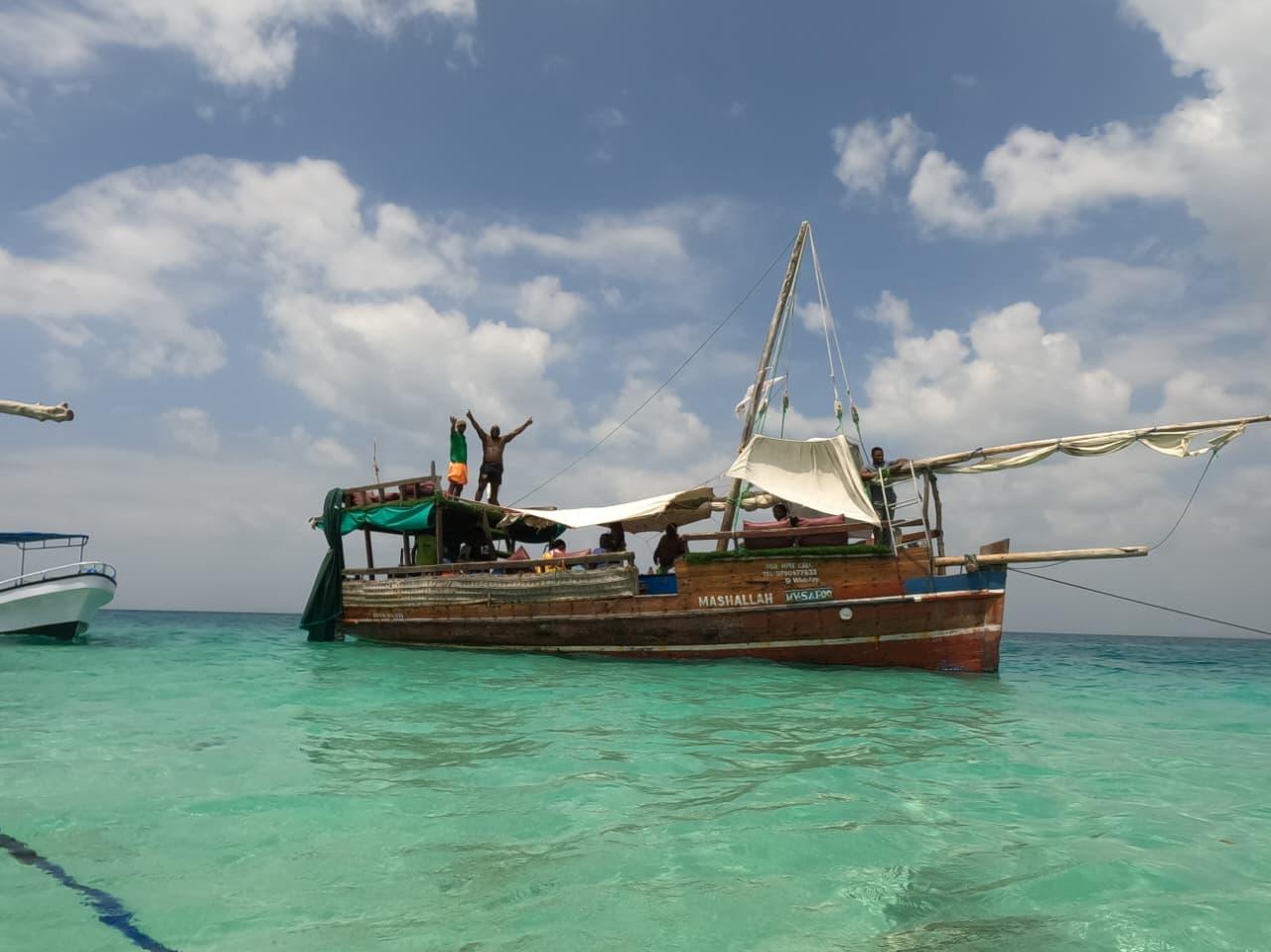
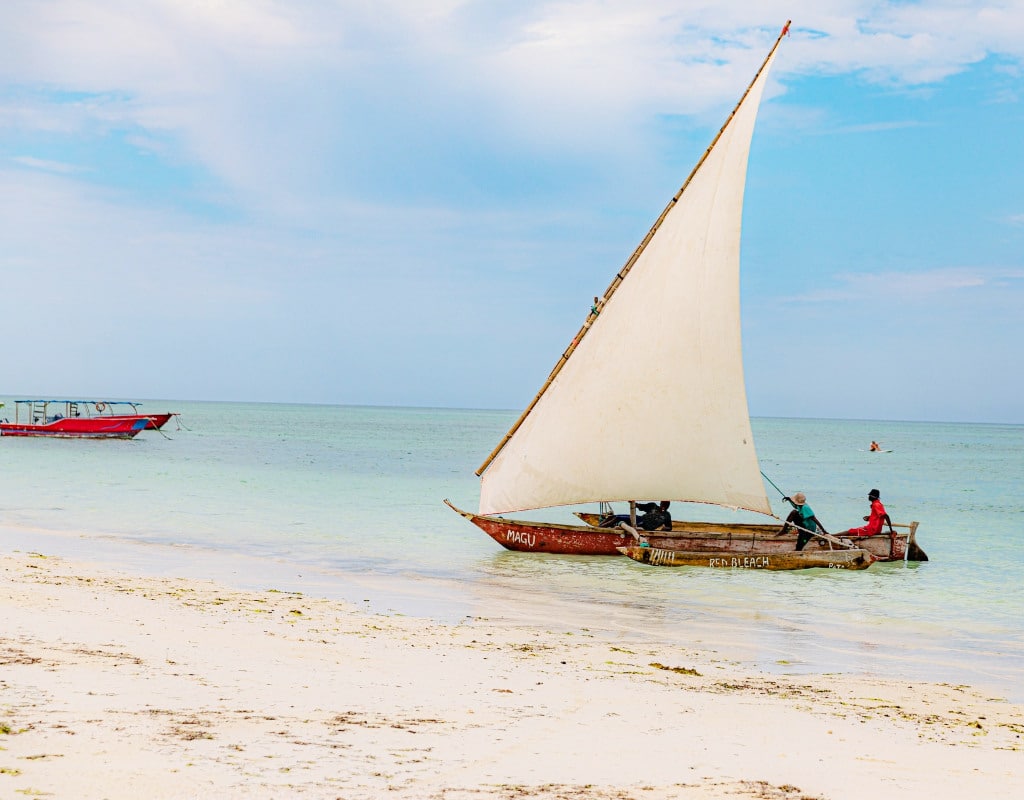
Sail a traditional dhow to a protected marine reserve, snorkel coral reefs, and feast on Swahili seafood
Reserve
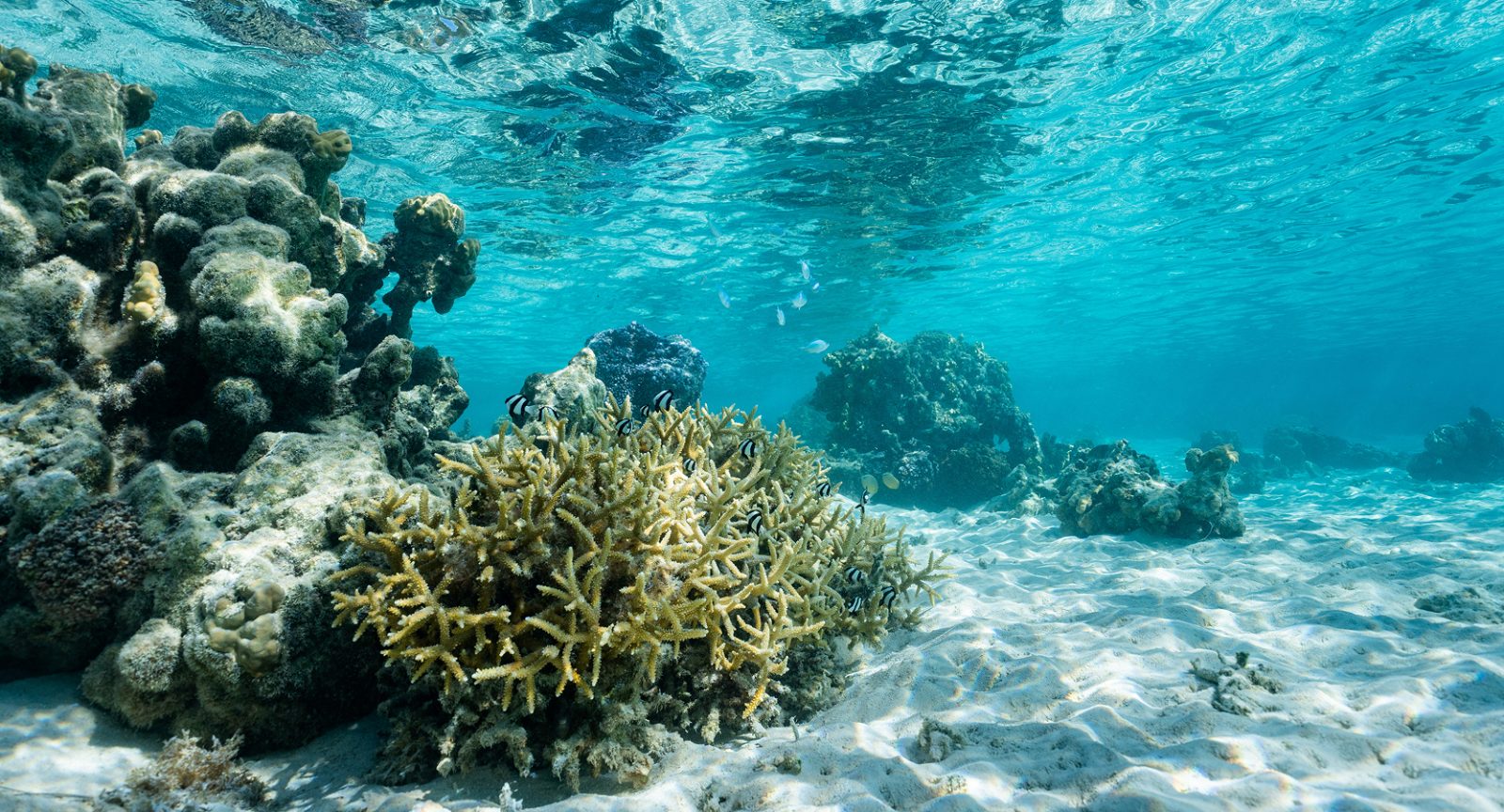
Traditional dhow passage through Shimoni Channel, coral gardens teeming with parrotfish and rays
Hand-picked by our editors — only the best 7 marine excursions from 34 reviewed.
Verified partners for Wasini Island Tour From Diani tours, free cancellation where available, and instant confirmation on every booking.
9 hr
Sail a traditional dhow to a protected marine reserve, snorkel coral reefs, and feast on Swahili seafood
Reserve
8 hr
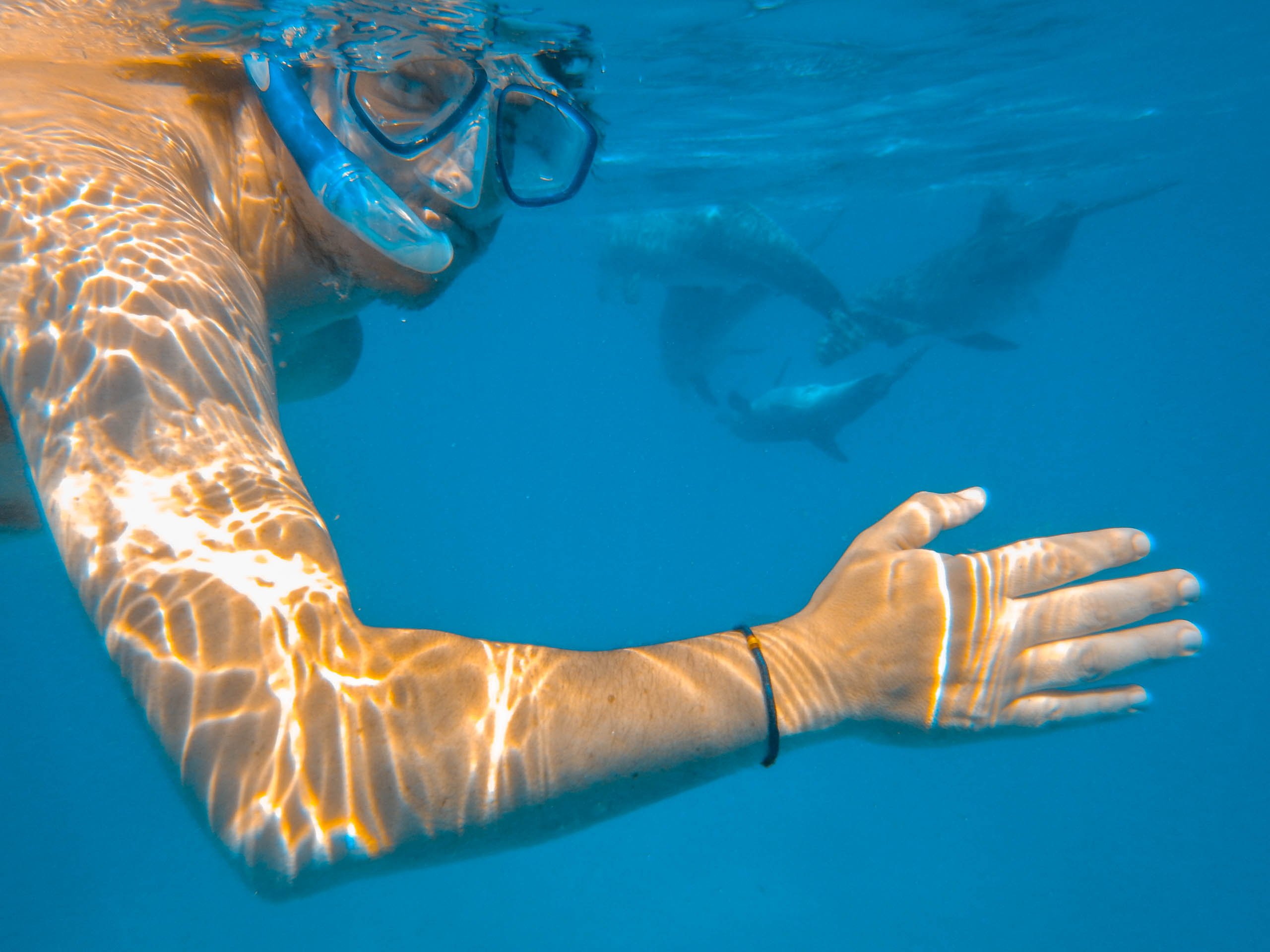
Sail a traditional dhow to encounter wild dolphins, snorkel vibrant reefs, and savor coastal flavors
Reserve
8 hr
Snorkel pristine coral reefs, search for dolphins by dhow, and savor Swahili seafood on a remote island
ReservePrices from verified partners. Availability updates in real time at checkout. Free cancellation policies apply where shown.
Every Wasini Island Tour From Diani tour side-by-side — duration, what's included, how you redeem.
| Experience | Duration | Rating | Pickup | Skip-the-line | Guide | Small group | Price | |
|---|---|---|---|---|---|---|---|---|
|
Guided Experience Most popular
Wasini Island Dhow Cruise & Kisite Marine Park Snorkel
|
9 hr | ★ 4.6 | ✓ | ✓ | ✓ | ✓ | $93 | Book → |
|
Guided Experience
Wasini Island Dolphin Encounter & Marine Park Adventure
|
8 hr | ★ 5.0 | ✓ | ✓ | ✓ | ✓ | $110 | Book → |
|
Guided Experience
Wasini Island & Kisite Marine Park Dolphin Safari
|
8 hr | ★ 4.5 | ✓ | ✓ | ✓ | ✓ | $135 | Book → |
All prices from verified partners. Availability and exact terms confirmed at checkout.
A wasini island tour from diani provides an immersive marine park experience, whereas local reef excursions offer a convenient, time-efficient alternative for coastal exploration.
| Feature | Top pick Wasini Island Tour | Diani Reef Excursions |
|---|---|---|
Travel Time from Diani |
1.5–2 hours each way | 15–30 minutes |
Access to Kisite-Mpunguti |
Direct park entry | No park access |
Exclusivity |
High (island village culture) | Low (shared reef spots) |
Dolphin Sighting Probability |
High (offshore pods) | Low (coastal species) |
Total Cost |
17 USD entry plus transport | Local boat charter rates |
| See tickets → |
Verdict: Choose the wasini island tour from diani tours for comprehensive conservation access, or select the reef excursion if you prefer a short-duration wasini island tour from diani tickets experience.
Choose your ticket, select your date, and reserve in under two minutes. Secure checkout handled by our verified partner.
Instant confirmation by email, with a mobile voucher you can save offline. No printing, no queuing at a collection desk.
Arrive at the entrance, show your voucher on your phone, and walk in. Most tickets include priority or skip-the-line access.
Best time to go, insider tips, nearby landmarks, and the cancellation fine print — flip through to skim what matters to you.
How crowds, weather, and events shift across the year.
August offers stable marine conditions for snorkeling activities. Expect warm temperatures and optimal visibility in the water.
June to August is cooler, providing comfortable weather for land-based village tours. This period coincides with peak tourist season in Kenya.
Small details that turn a good visit into a great one.
Aim to arrive between 06:00–09:00 to catch morning tides for better snorkeling. Early departure is essential to increase the likelihood of dolphin sightings.
Non-bookable sights within a short walk — free to visit, easy to pair.
Historic limestone caves reflecting regional history.
Flexible, no hidden fees.
Cancellations made 48 hours prior are generally refundable minus administrative fees. The 17 USD Kisite-Mpunguti Marine National Park entrance fee for non-resident adults is typically non-refundable once paid to the authority.
Hand-picked options within walking distance — pick a district for vibe, or a specific hotel for convenience.
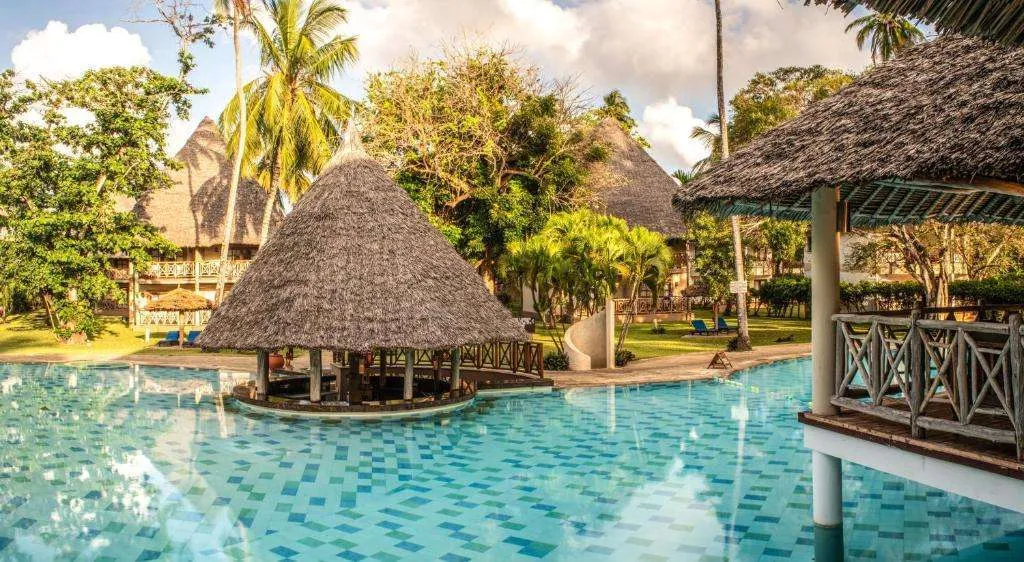
Rustic and authentic lodging options on the island.
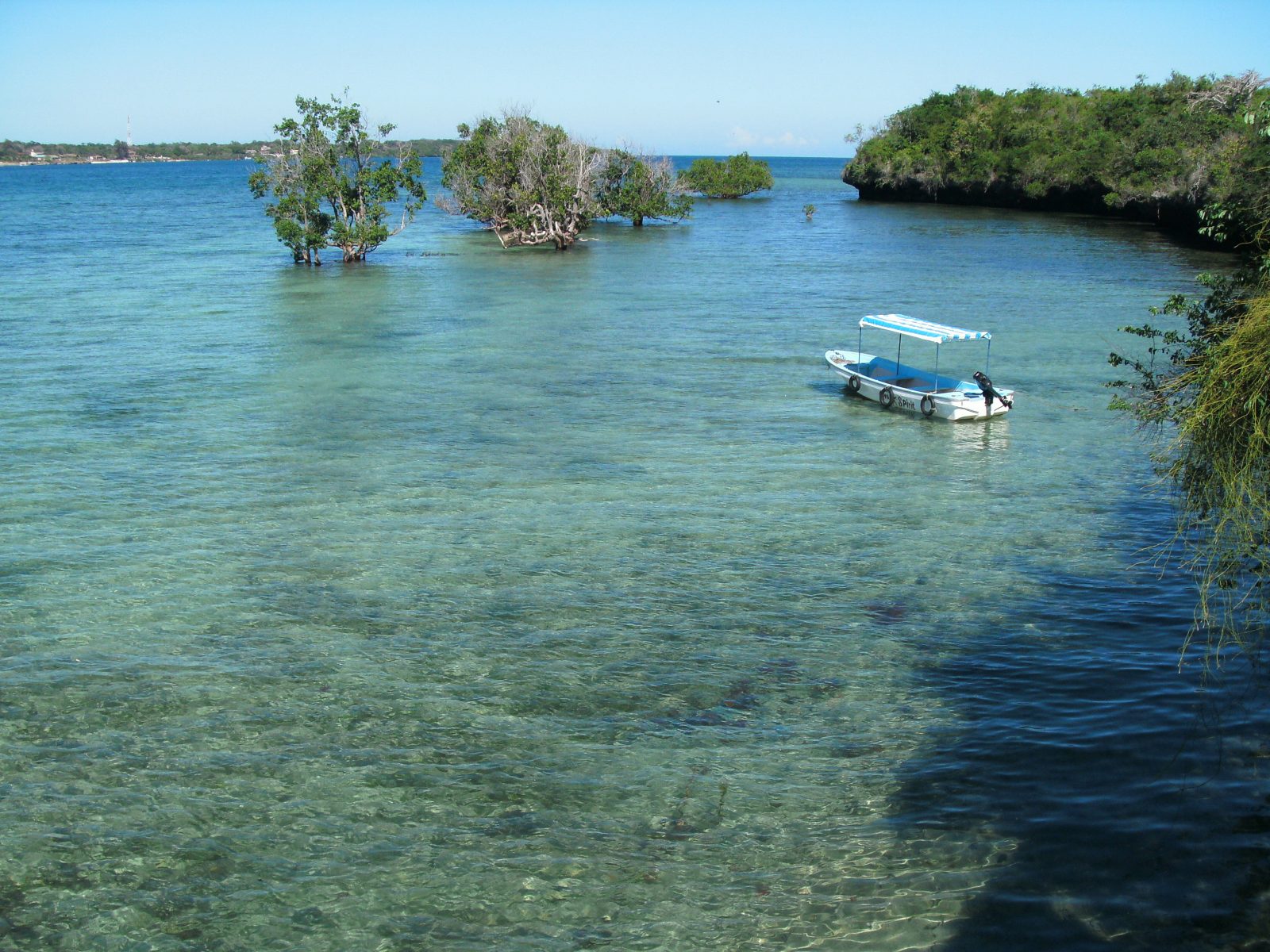
Wasini Island lies four nautical miles off the Shimoni pier, separated from the Kenyan mainland by a mangrove-fringed channel that has carried trade dhows and fishing vessels for more than eight centuries.
The island itself—measuring roughly three kilometers end to end—shelters no cars, no paved roads, and fewer than three thousand residents, most of whom descend from Swahili and Shirazi merchant clans that established coral-rag settlements here during the medieval Indian Ocean trade boom. Archaeological surveys conducted in the 1980s uncovered Persian ceramics, Chinese stoneware, and beaded glassware beneath the island's weathered pillar tombs, evidence of a mercantile network that once stretched from Kilwa to Gujarat. Today the island serves as the terrestrial anchor for Kisite-Mpunguti Marine National Park, a seventy-square-kilometer reserve gazetted in 1978 to protect the fringing and patch reefs that host more than two hundred fifty coral species and an estimated two hundred fifty fish species, including humphead parrotfish, bluefin trevally, and seasonal visits by Indo-Pacific bottlenose dolphins.
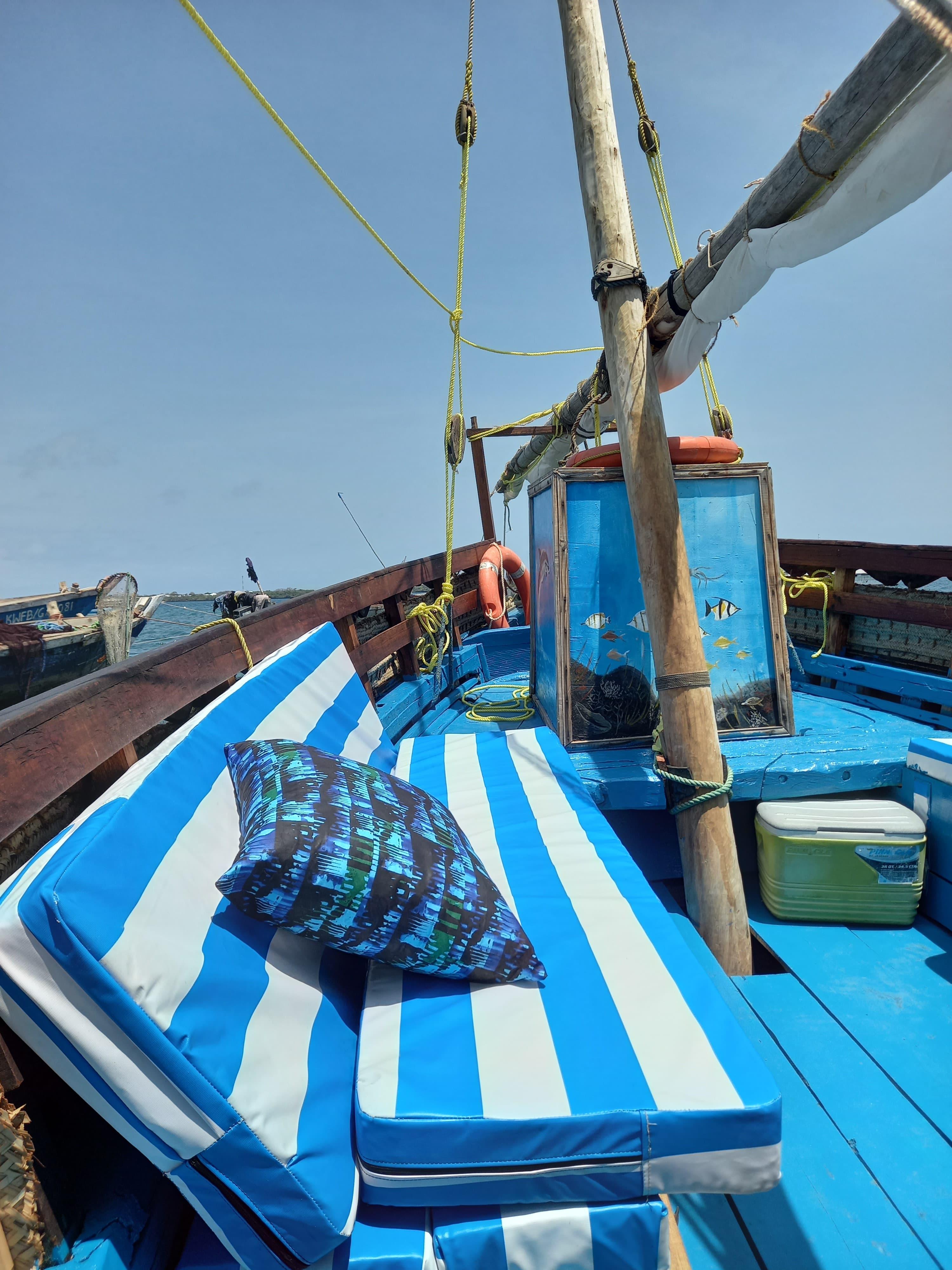
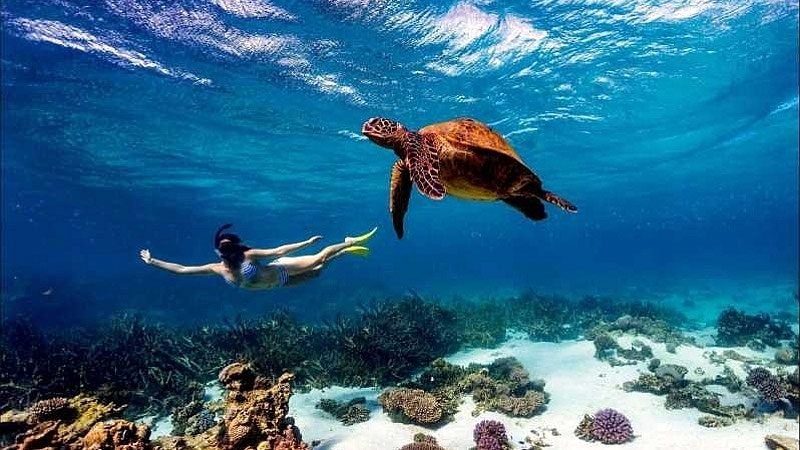
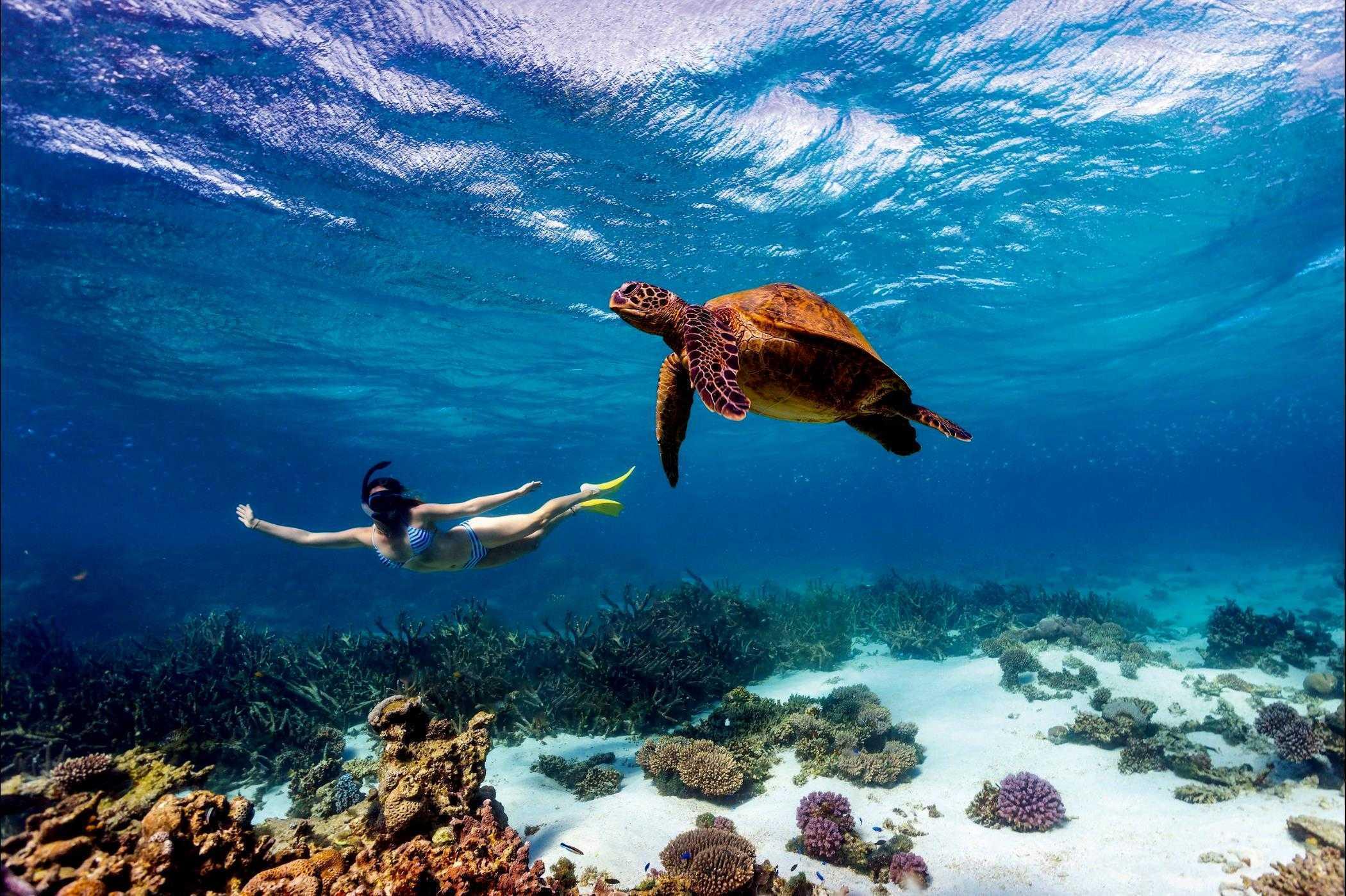
A wasini island tour from diani typically departs Shimoni jetty between six and eight in the morning, when the tide is high enough to carry traditional jahazi dhows over the shallow coral platforms that guard the channel mouth. The fifteen-kilometer road from Diani Beach to Shimoni threads through cashew and mango plantations, past the turnoff for the limestone Shimoni Caves—a pre-colonial freshwater cistern later misused during the nineteenth-century slave trade. Once aboard, passengers sail south past Mpunguti ya Juu and Mpunguti ya Chini, two low coral islands crowned with casuarina trees, before anchoring at designated snorkeling zones within the marine park. Visibility in the protected lagoons regularly exceeds fifteen meters, and the coral gardens rise in terraced walls and bommies colonized by staghorn, brain, and table corals. Parrotfish graze the algae-coated surfaces, triggerfish defend nesting craters in the sand, and schools of fusiliers stream above the reef slope.
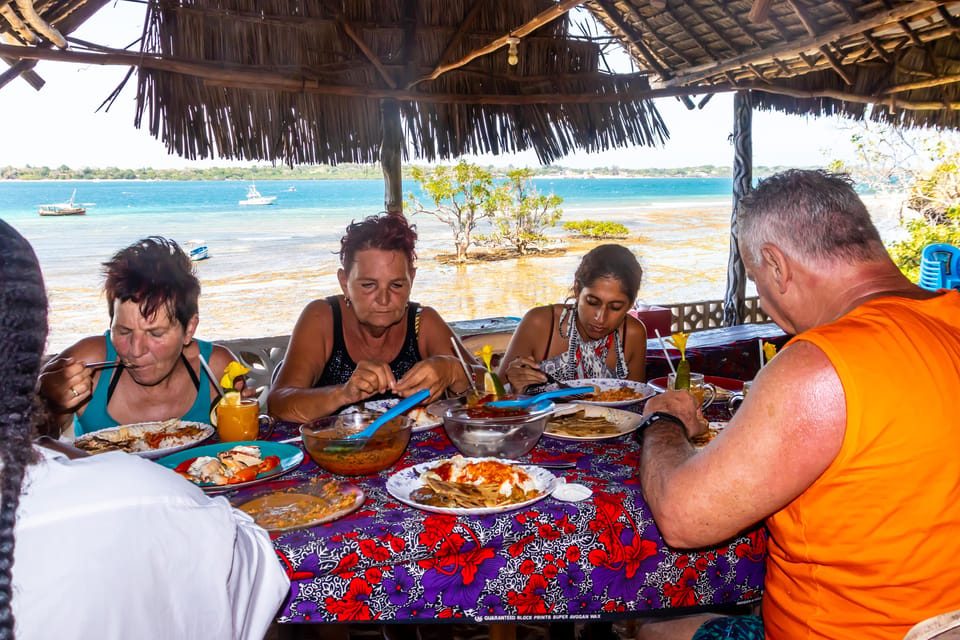
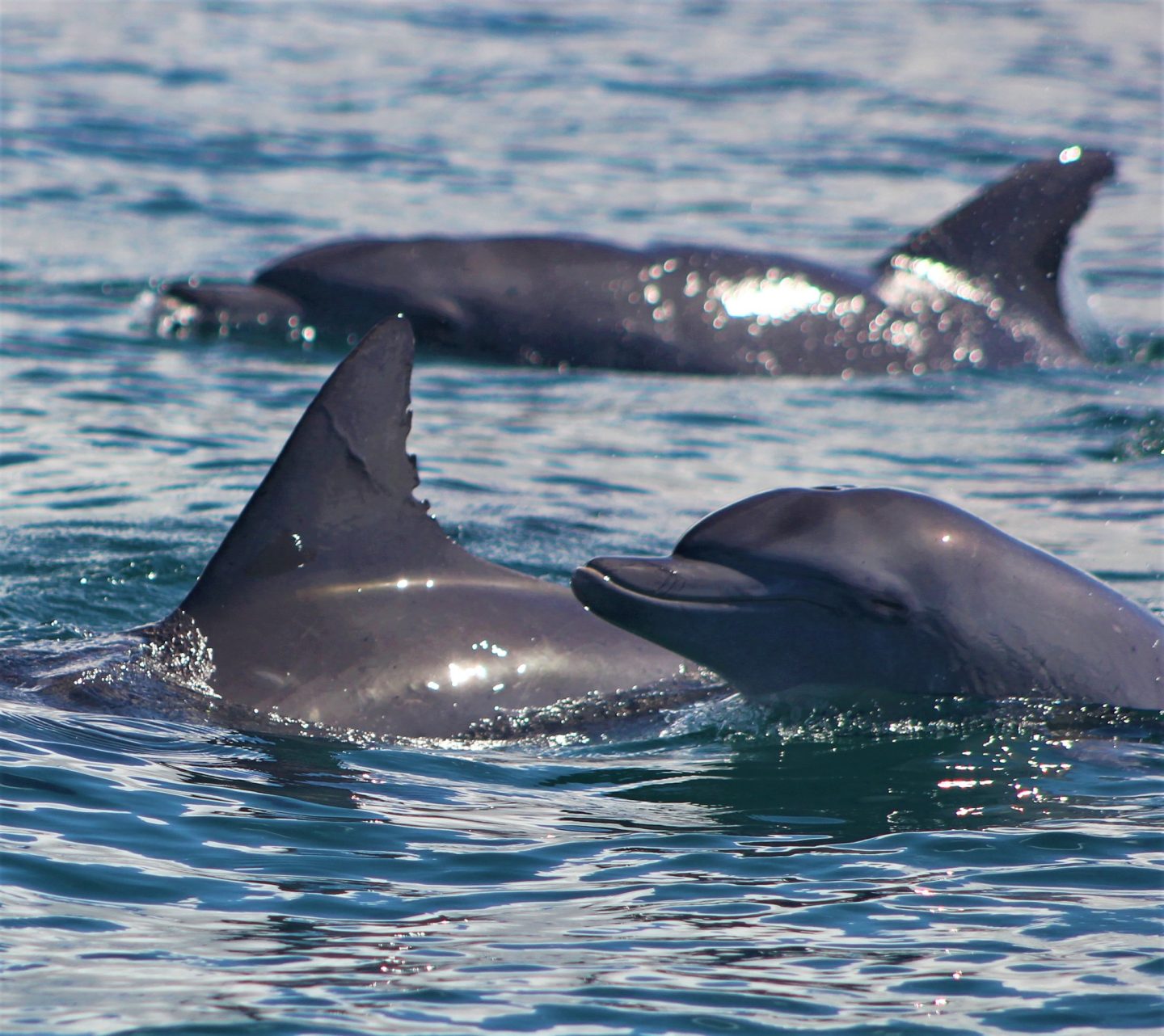
Dolphin sightings, while never guaranteed, occur on roughly sixty percent of morning departures, particularly in the deep channel between Wasini and the mainland where pods of bottlenose dolphins hunt for squid and mackerel. After snorkeling, most wasini island tour from diani itineraries include a guided walk through Wasini village, where coral-block houses with makuti thatch roofs line footpaths shaded by baobabs and frangipanis. The village hosts a small women's cooperative that weaves palm-fiber baskets and carves wooden dhows for the mainland market. Lunch is typically a communal spread of grilled kingfish, octopus curry, coconut rice, and crab claws served at shoreline bandas overlooking the Pemba Channel. The return dhow departs mid-afternoon, tacking north on the prevailing southeast trade winds that blow steady from May through October, the same monsoon rhythm that carried medieval merchants to this coral outpost nine centuries ago.

"Archaeological surveys uncovered Persian ceramics, Chinese stoneware, and beaded glassware beneath the island's weathered pillar tombs, evidence of a mercantile network that once stretched from Kilwa to Gujarat."
Yes, families are welcome, provided they wear life jackets while on the water.
Operators typically reschedule or offer refunds if sea conditions are deemed unsafe by local authorities.
Yes, guided village walks are a highlight of the island experience.
Most operators provide seafood, but vegetarian options can be arranged if requested in advance.
Travelers typically spend 3 to 4 hours on the water including snorkeling and dolphin watching.