
English| USD
Suggested for you
More currencies
Choose a language
Wasini Island sits four kilometers off Kenya's southern coast, reachable only by dhow or motorized boat. Most visitors book full-day packages from Diani Beach or Shimoni, bundling transport, snorkeling, and a seafood lunch into a single rate. This guide breaks down what those packages cost, what's included, and the additional fees you'll encounter on arrival.
Quick answer
Full-day Wasini Island tour packages typically range from KES 5,500 to KES 9,500 per adult, depending on group size, boat type, and whether the operator includes Kisite-Mpunguti Marine Park entry fees. Most packages cover dhow or boat transfers from Shimoni jetty, snorkeling equipment, a guided reef tour, and a midday seafood meal on the island. Marine park conservation fees—KES 1,500 for non-residents and KES 500 for Kenyan citizens—are often paid separately at the park gate.
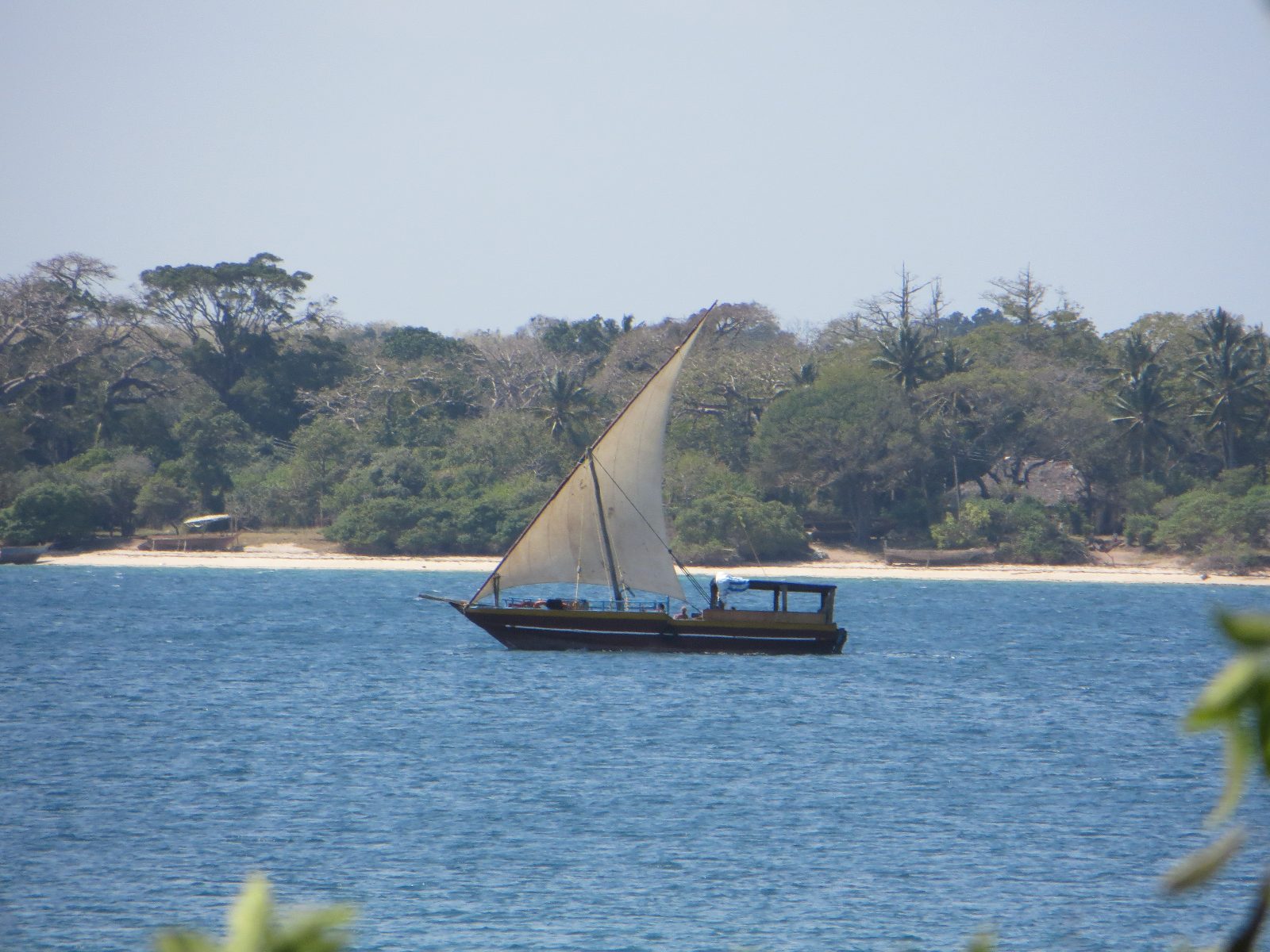
Wasini Island has no airport, no bridge, and no motorized vehicles—every visitor arrives by water, and that constraint shapes the tour price structure. The dhow crossing from Shimoni takes forty minutes under sail, longer if the wind drops, and most operators bundle the boat transfer, reef access, and lunch into a fixed-rate package rather than itemizing each component. The result is a tour market that clusters around two tiers: budget group dhow safaris starting near KES 5,500, and smaller private-boat excursions that reach KES 9,500 or higher when booked for fewer than six passengers. The wasini island tour price almost always includes the boat crossing in both directions, a set of snorkeling fins and mask, and a multi-course seafood lunch served at one of the island's family-run bandas. What it rarely includes is the Kisite-Mpunguti Marine Park conservation fee, which the Kenya Wildlife Service collects separately at the floating ranger station before you enter the protected reef zone. Non-resident adults pay KES 1,500; Kenyan citizens pay KES 500. Operators leave this fee unbundled because the park's pricing tier depends on residency status, and mixing it into the tour rate would require verifying every passenger's nationality before quoting a price. Beyond the package and the park gate, expect smaller outlays for tips—deck crews and dive guides work on gratuity—and for any drinks beyond the included soda or juice. A few operators offer upgraded packages that add dolphin-watching extensions or a second snorkel site, typically lifting the total cost by KES 1,200 to KES 2,000. The island itself charges no entrance fee; its coral-rag footpaths, mangrove boardwalks, and Swahili ruins remain free to walk once you've landed. Tour costs fluctuate less by season than by group composition. A solo traveler joining a shared dhow pays the standard per-person rate, but a couple booking a private boat for the same itinerary will split a higher base charter fee, sometimes doubling the per-head cost. Most Diani-based operators require a minimum of four passengers to run a scheduled departure, so last-minute bookings in low season may be folded into another group's charter or rescheduled to the next day with confirmed numbers. The dhow safari wasini price reflects not just the boat and the meal but the labor of a crew that depends on tides, wind, and reef conditions to deliver the itinerary. Shimoni's departure window opens early—most dhows cast off between seven and eight in the morning—to catch the incoming tide and calmer seas before the midday thermal wind picks up. Budget an extra KES 500 for incidentals, confirm whether your quoted rate includes the marine park fee, and expect to pay the balance in cash on the morning of departure.
“The dhow crossing from Shimoni takes forty minutes under sail, longer if the wind drops, and most operators bundle the boat transfer, reef access, and lunch into a fixed-rate package.”
Wasini Island itself does not charge an entrance fee, so total tour costs are determined by bundled services such as boat transport, guide fees, and marine park access. These components vary based on the specific itinerary selected.
Verdict: Visitors typically pay for all-inclusive tour packages rather than individual entry fees, with total prices fluctuating based on park entrance requirements and selected service inclusions.
The best time to visit is during the morning arrival window of 06:30–10:00. Arriving during these hours ensures calmer sea conditions for boat crossings and provides the maximum amount of daylight to experience island excursions.
Hot and dry, 25°C–32°C
Clear skies provide optimal conditions for boat travel and marine activities.
Cooler breezes, 22°C–28°C
This period offers comfortable temperatures and is a popular time for visitors.
Humid with showers, 24°C–30°C
Expect occasional rain, though showers are typically short and often followed by sunshine.
—
Visiting on a weekday morning offers the most tranquil experience and ensures sufficient time for island exploration.
Verdict: For the best balance of weather and sea conditions, target a weekday arrival between 06:30 and 10:00 during the months of January or February.
Wasini Island is accessible 24 hours a day, though actual tour activity is governed by boat transport availability and tide conditions. Visitors typically coordinate travel schedules with local operators to ensure seamless island access.
Wasini Island is located off the southern coast of Kenya in Kwale County. Access requires traveling by land to the village of Shimoni followed by a short boat crossing to the island.
Diani to Shimoni via A14 road
Diani to Shimoni via A14 road
Shimoni Jetty to Wasini Island
Plan your arrival to Shimoni between 06:30–10:00. This window offers cooler temperatures and better sea conditions for the boat crossing.
This chronological outline suits visitors joining a full-day tour departing from Shimoni or nearby jetties. Plan for 7–9 hours start to finish, including boat transfers and meal breaks.
Board a traditional dhow or motorized vessel for the 20–30 minute crossing to Wasini Island. Arrive early to secure a spot and avoid midday heat.
Most operators stop here first for 60–90 minutes of snorkeling over coral gardens. Gear is typically included in your tour package.
Disembark on Wasini Island for a guided walk through the village and mangrove boardwalks. Budget 45–60 minutes to explore local crafts and the coral gardens.
Sit down to grilled fish, octopus, and Swahili-spiced crab at one of the island's beachfront restaurants. Lunch lasts 1–1.5 hours and is part of most full-day packages.
Some tours add a dolphin-watching leg on the return journey, extending the trip by 30–45 minutes. Sightings depend on season and conditions.
Board your vessel for the trip back to the mainland. Factor in time for post-trip rinse and gear collection.
Prepare these essentials before your departure to ensure a smooth day on the water.
Everything you need to know about wasini island tour price
The wasini island tour price varies based on your departure point, such as Diani, and the specific inclusions like guided coral garden walks or dhow sailing. Most providers bundle transport, lunch, and marine park access into a single fee.
There are generally no surprise costs, but you should verify if your selected package covers snorkeling equipment and conservation fees. Always confirm what is included in your booking to avoid extra payments on-site.
While the wasini island tour price often covers essential logistical costs, local marine conservation areas or specific community projects may require separate small contributions. Always check if the Kisite-Mpungu Marine Park levies are included in your quote.
To find a competitive package for a Wasini Island excursion, compare operators based on their inclusion of guided reef tours and quality of transit. Early booking through reputable channels ensures you secure transparent rates.
Discounted rates for minors are often available, but depend entirely on the individual tour operator's policy. It is best to inquire directly about family-friendly pricing during the booking process.
When comparing costs for a trip to this coral island, focus on the quality of the dhow, the reputation of the guides, and the duration of the snorkeling sessions. Value is defined by the depth of your experience rather than just the lowest rate.
Booking a comprehensive package is often more cost-effective and convenient than arranging local boat transport and meals separately. Comprehensive tours handle all logistics, including sea crossing safety and coordination.
There is no island entrance fee, but fees apply for specific marine parks or local projects which may or may not be part of your total cost. Ensure you understand which activities require additional gate fees.